







The Welsh Government published their Final Budget on 20 January. Ahead of the Senedd debate on 27 January, this article explores the changes between the Draft and Final Budgets.
You can read more about the Welsh Government’s Draft Budget in our article that looked at what was learnt during scrutiny.
A budget agreement to avoid “no budget being passed at all”
As the Welsh Government is unable to pass a budget with the support of only Labour Members, it took a “politically neutral” approach to its Draft Budget.
This entailed uplifting all departmental budgets by 2.2% to reflect public sector pay elements and 2% for non-pay and capital. The approach left a significant reserve of unallocated funding, which gave scope for other parties to input into a final budget that could be voted through the Senedd.
On 9 December, the Welsh Government announced a budget agreement with Plaid Cymru. As part of that, an extra £180m funding would be allocated to health and social care, and an extra £112.8m to local government. The agreement also outlined that £120m of capital funding would be available to the next Welsh Government. The First Minister, Eluned Morgan MS said:
The agreement will secure the passage of the Final Budget 2026-27 in January 2026, avoiding the potential of no budget being passed at all and the consequences that would flow from that.
Our article on the Outline Draft Budget 2026-27 looked at the potential impact of not agreeing a budget for 2026-27.
The Final Budget 2026-27
Following Senedd scrutiny and debate on the Draft Budget, the Welsh Government published the Final Budget on 20 January 2026.
This budget includes additional funding following the UK Autumn Budget, of £147m revenue and £14m capital. The Welsh Government’s capital borrowing limit has also increased by £15 million, which provides additional potential.
Policy changes to non-domestic rates (NDR) have resulted in a £77m reduction in NDR income, mainly linked to supporting businesses most impacted by the revaluation.
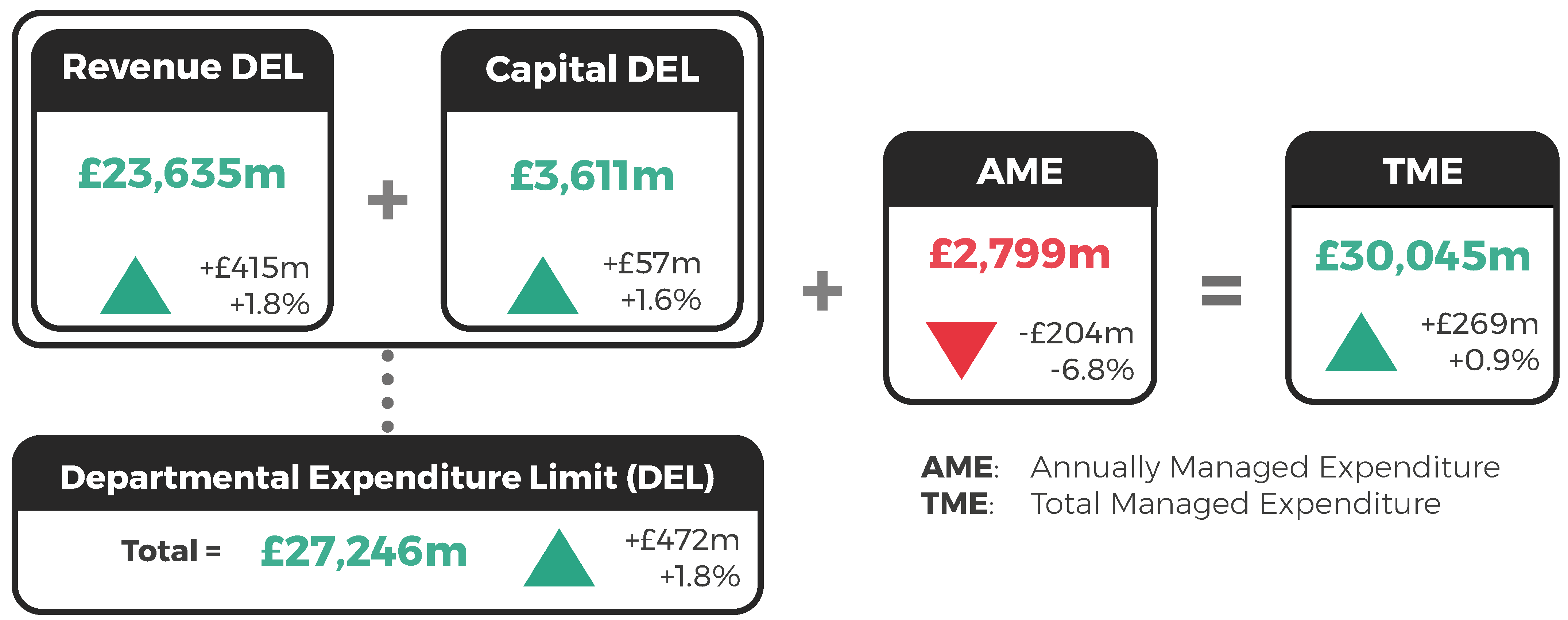
The Final Budget allocates £415m of additional revenue overall, £47m capital and £10m financial transactions capital funding, compared to the Draft Budget.
In addition to the £292.8m funding for health and social care and local government, the budget agreement with Plaid Cymru secured further key allocations including:
- £65 million funding for local government to support business rates transitional relief scheme, and £5.5m to confirm the funding floor, with all councils receiving increases of 4% or above;
- £21.5m allocated across departments to reflect higher pay and inflation forecasts compared to when the Draft Budget was set; and
- a number of other additional allocations of £8 million or under to individual policy areas.
In his written statement, the Minister for Finance and Welsh Language, Mark Drakeford MS said:
This provides certainty and stability for public services, while ensuring the next Welsh Government has the resources it needs to deliver its priorities.
The infographics below summarise the key allocations by government department, how these have changed from the Draft Budget 2026-27, and year-on-year changes compared to the 2025-26 revised baseline.
Figure 1. Welsh Government Final Budget 2026-27 allocations compared to the Draft Budget 2026-27
Source: Senedd Research and Welsh Government Final Budget
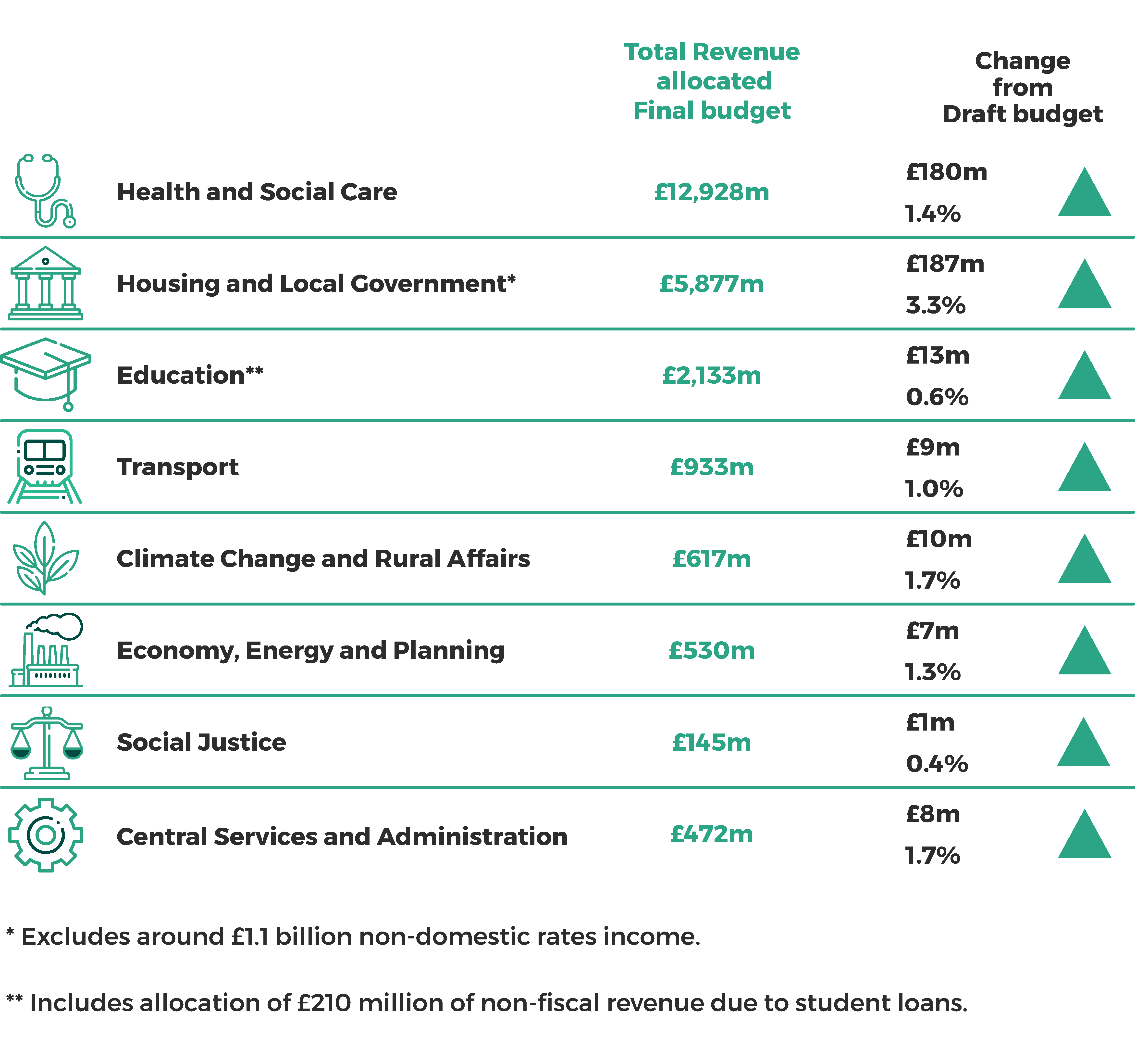
Figure 2. Changes in the Main Expenditure Groups between the Final Budget 2026-27, and the Draft Budget 2026-27.
Source: Senedd Research and Welsh Government Final Budget
Whilst all departments saw in an increase in total revenue compared to the Draft Budget (Figure 2), the greatest increase was for Housing and Local Government (an increase of £187m, or 3.3%). The figures above include non-cash allocations,.
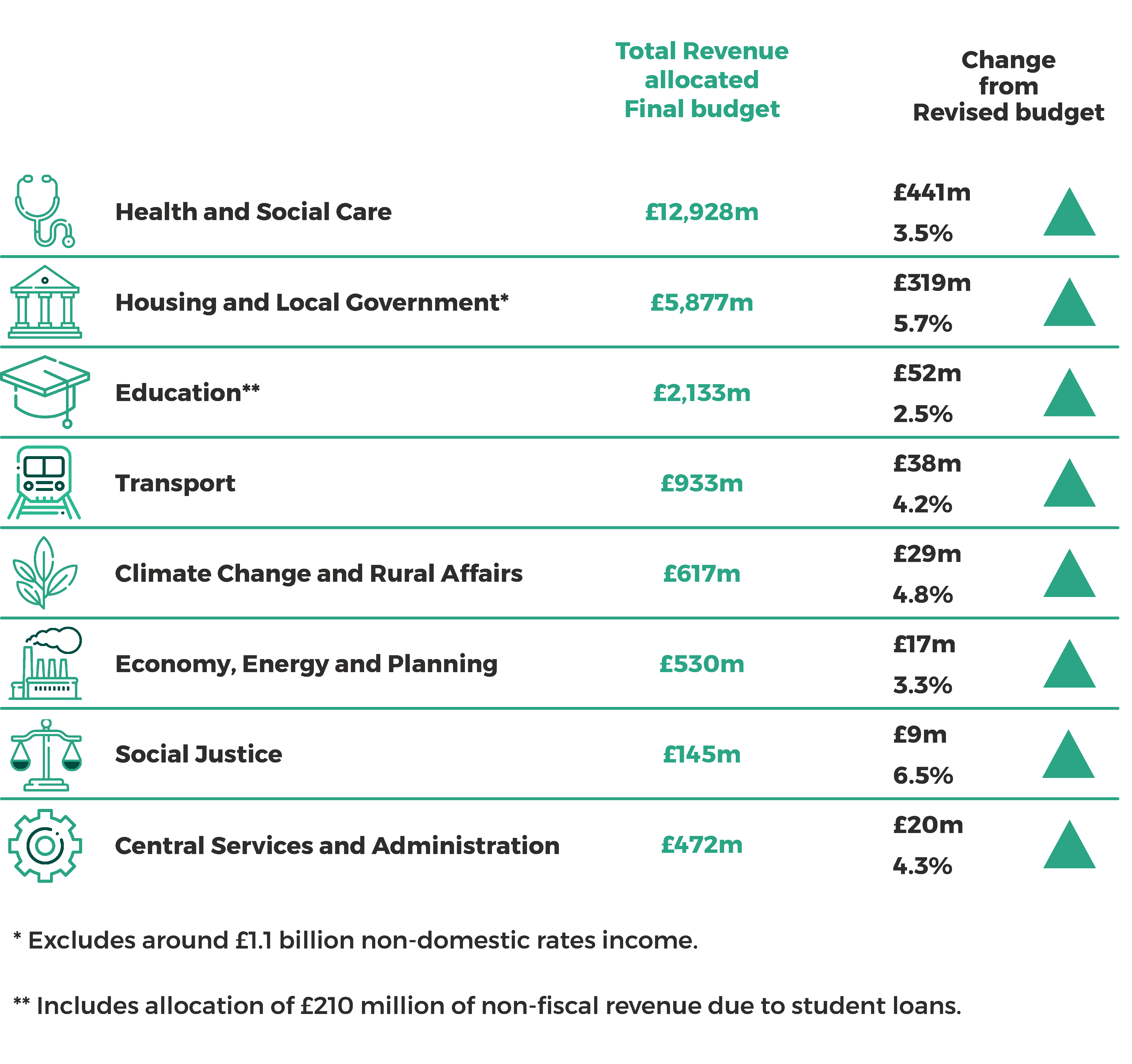
Figure 3. Changes between in Main Expenditure Groups in the Final Budget 2026-27, from the Draft Budget revised baseline 2025-26.
Source: Senedd Research and Welsh Government Final Budget
Comparing the total revenue allocated in the Final Budget to the revised baselines for 2025-26 shows the greatest nominal increase was for Health and Social Care, £441m, and in percentage increase, Social Justice (a 6.5% increase, or £9m, compared to the revised baseline). However, all departments show increased allocations of at least 2.5%. Our figures include non-cash allocations.
Strategic Integrated Impact Assessment
Alongside the Final Budget, the Welsh Government published its Final Strategic Integrated Impact Assessment (SIIA) 2026-27, used to assess the impact of spending decisions. For 2026-27, the Welsh Government took a new approach by publishing an interim assessment, followed by a final assessment published at Final Budget.
The Welsh Government says this approach reflects its commitment to “greater transparency and wider engagement”.
The SIIA reports, among other findings, that the uplift in resource funding for health and social care “stabilises access to NHS services and supports quality of care”.
However, the SIIA also reports several potential negative impacts of the budget. For example, additional resource has been allocated to rail subsidies, which the SIIA found “tend to benefit higher-income households more”.
Welsh Rates of Income Tax
Alongside the debate on the Final Budget itself, there will be a debate to set the Welsh Rates of Income Tax (WRIT).
This means taxpayers living in both Wales and England will continue to pay the same rates of income tax. The Welsh Government decided not to change WRIT for 2026-27, which will keep WRIT at 10p for basic, higher and additional rates.
What happens next?
The 27 January is a significant day for Welsh finances, with the Senedd due to debate the Final Budget, the Welsh Rates of Income Tax and the Local Government Settlement.
You can use our interactive diagram to explore the Welsh Government's Final Budget for 2026-27.
You can tune in and watch all the debates on Senedd tv, check the transcript afterwards and follow Senedd Research on X for the latest articles exploring the budget and more.
Article by Božo Lugonja, Senedd Research, Welsh Parliament
